
Bonding
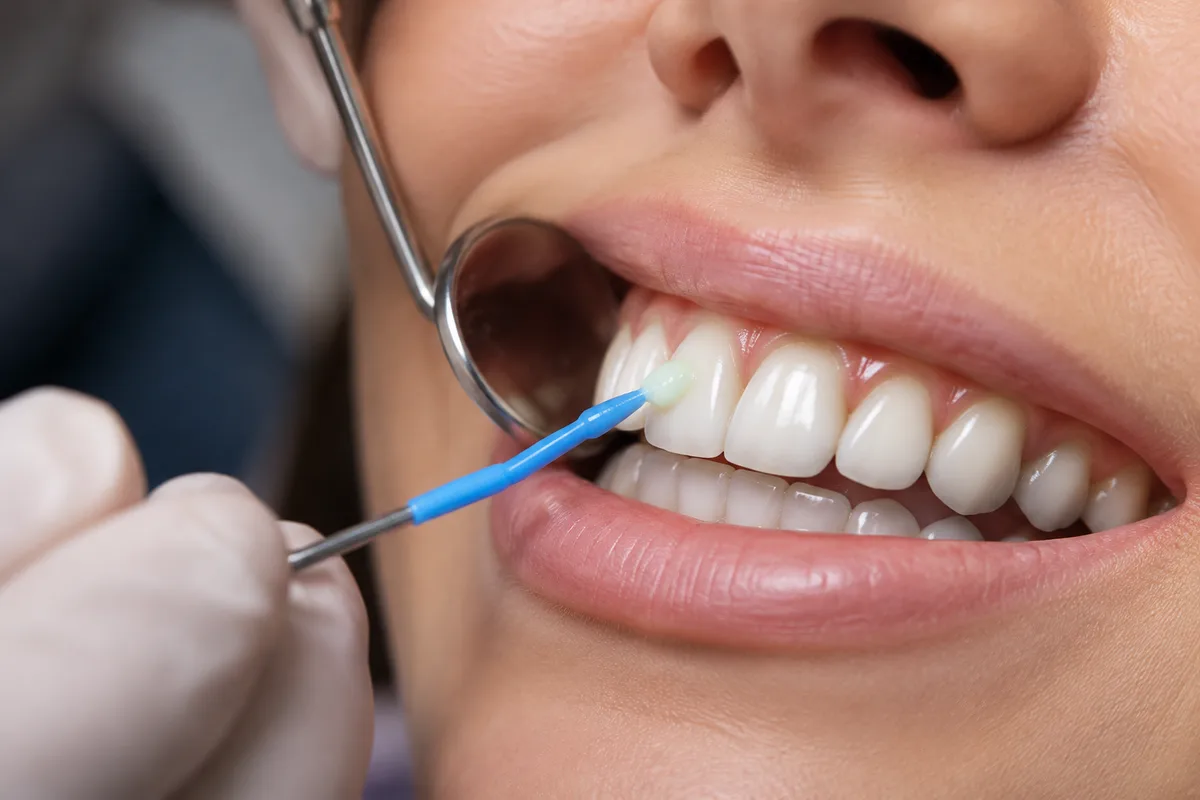
Bonding
Dental bonding uses a tooth-colored composite resin to repair chips, close small gaps, reshape a tooth, or cover discoloration. The material is applied directly to the tooth, sculpted to the desired shape, then hardened with a curing light — often completed in a single visit without the need for lab-made restorations.
When Bonding Is Typically Considered
- Chipped or Cracked Teeth — Minor damage from biting, grinding, or an accident can often be smoothed and rebuilt with resin.
- Gaps or Uneven Spacing — Small spaces between teeth can be closed without orthodontics.
- Discoloration — Bonding can mask stains that don’t respond well to whitening.
- Shape or Size Adjustments — A tooth that looks short, thin, or irregular can be reshaped for a more even smile.
What to Expect
Because bonding is done chairside, your dentist matches the composite shade to your natural teeth before shaping and polishing it in place. An intraoral camera can help show the treatment area clearly, and a digital smile preview can give you a sense of the planned change before work begins.
Caring for Bonded Teeth
- Avoid Excess Staining — Coffee, tea, and tobacco can discolor the resin over time.
- Watch for Chips — Bonded areas can chip under hard foods or nail-biting.
- Keep Up Routine Cleanings — Regular checkups help catch wear early.
This content is for general information only and isn't dental or medical advice. Talk with your dentist or orthodontist about your own situation. If you have a medical emergency, call 911.