
Clear Aligners
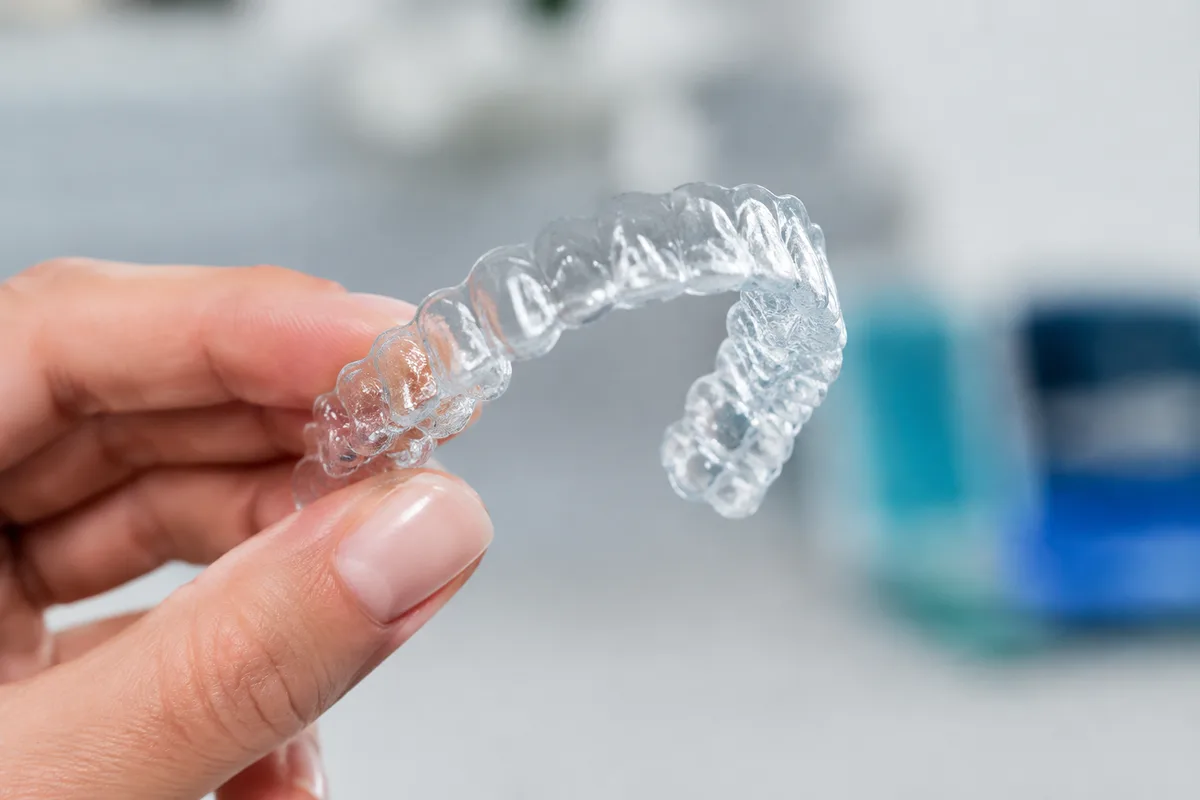
Clear Aligners
Clear aligners offer a way to straighten teeth using a series of clear, removable trays instead of traditional metal braces. At 1st Family Dental in Chicago, this treatment is planned and tracked digitally, giving patients a clear picture of their treatment from the very first visit.
What clear Aligners is
Clear aligners are a set of custom-made, transparent plastic trays worn over the teeth to gradually shift them into a straighter position. Each tray in the series is slightly different from the last, applying gentle, controlled pressure that moves teeth step by step. Patients typically move to a new tray every one to two weeks as treatment progresses toward the final planned position.
This approach grew out of advances in digital dentistry. Where orthodontic treatment once relied on physical putty impressions and visible metal brackets and wires, clear aligners are designed from a digital scan of the mouth and manufactured to fit closely and discreetly. Because the trays are removable, patients can take them out to eat, brush, and floss, which is a meaningful difference from fixed braces.
How we use it at 1st Family Dental
Clear aligner treatment at our office begins with a digital scan using our iTero Element Scanner, which captures a precise 3D image of the teeth and gums without the need for messy putty impressions. That scan can also be used to generate a simulation of how the smile may look as treatment progresses, giving patients a preview before committing to the process.
On our team, Dr. Sandy Murad has completed specialty training in Invisalign, and Dr. Sameer Al-Obaidi, an orthodontist, is trained in multiple clear aligner systems, including Invisalign, OrthoFX, and Spark. Your case may be reviewed with one of these clinicians as part of your treatment planning.
Because our records are kept fully digital, your scans, images, and treatment plan can be accessed securely if you're seen at more than one of our locations. For patients interested in shortening the overall time in aligners, accelerated orthodontic techniques may also be discussed as part of a broader orthodontic treatment plan.
What it means for you
Clear aligners are generally chosen by patients who want an orthodontic option that is less visible than traditional braces. Because the trays are removable, oral hygiene routines like brushing and flossing can continue as usual, and there are no brackets or wires to work around when eating.
Digital scanning also changes the experience of getting started. Instead of biting into a tray of impression material, a digital scan is quick and comfortable, and it lets you and your dentist look at a simulated view of your smile's progress. This can make it easier to understand what treatment involves before any trays are made.
What to expect during your visit
A clear aligner visit typically starts with an examination and a digital scan of your teeth. From that scan, a treatment plan is mapped out, showing the planned sequence of tooth movement. Once your aligners are ready, you'll be shown how to insert and remove them and how many hours per day they should be worn — most clear aligner treatment calls for wearing trays close to full-time, removing them mainly for meals and brushing.
Follow-up visits are used to check progress, confirm the trays are tracking as planned, and provide the next set of aligners in the series. These check-ins are generally quick, since there is no wire-tightening or bracket adjustment involved. Some mild pressure or tightness when switching to a new tray is normal and usually fades within a day or two.
Frequently asked questions
Is clear aligner treatment safe?
Clear aligners are a widely used orthodontic option built on the same principles of gradual, controlled tooth movement as traditional braces. Your dentist or orthodontist will review your dental history and scans before recommending them, to confirm they are an appropriate option for your bite.
Are clear aligners comfortable to wear?
Most patients find aligners comfortable once they get used to wearing them, since the plastic is smooth and there are no metal brackets or wires. Some mild pressure is common right after switching to a new tray in the series, which is a normal part of the tooth-moving process.
How often do I need to wear or change my aligners?
Aligners are generally worn nearly full-time, with removal mainly for eating, drinking, and oral hygiene. Trays are typically changed on a set schedule, often every one to two weeks, as determined by your treatment plan.
Who is a good candidate for clear aligners?
Clear aligners can be suitable for many teens and adults seeking straighter teeth without traditional braces, though the right fit depends on the specific alignment issues involved. A scan and consultation with your dentist or orthodontist is the best way to find out whether clear aligners are appropriate for your smile.
If you'd like to learn more about clear aligners or find out whether they're a good fit for your smile, reach out to 1st Family Dental to schedule a visit.
This content is for general information only and isn't dental or medical advice. Talk with your dentist or orthodontist about your own situation. If you have a medical emergency, call 911.